
Kinder Skateboards für jedes Alter – 3 bis 12 Jahre
Beste Auswahl an Kinder-Skateboards in Pro-Qualität. Finde das passende Board für 3–12 Jahre direkt nach Altersklasse:
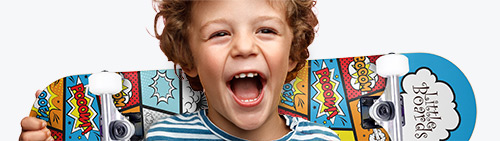
Children's skateboards
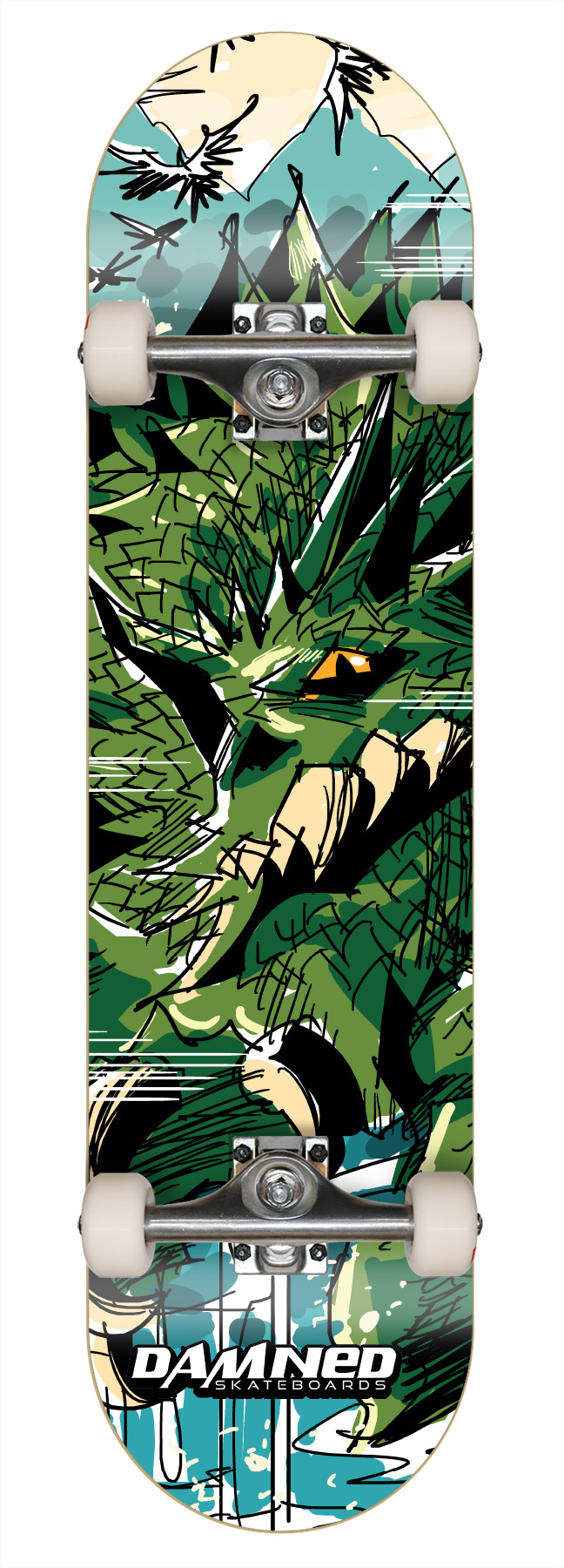
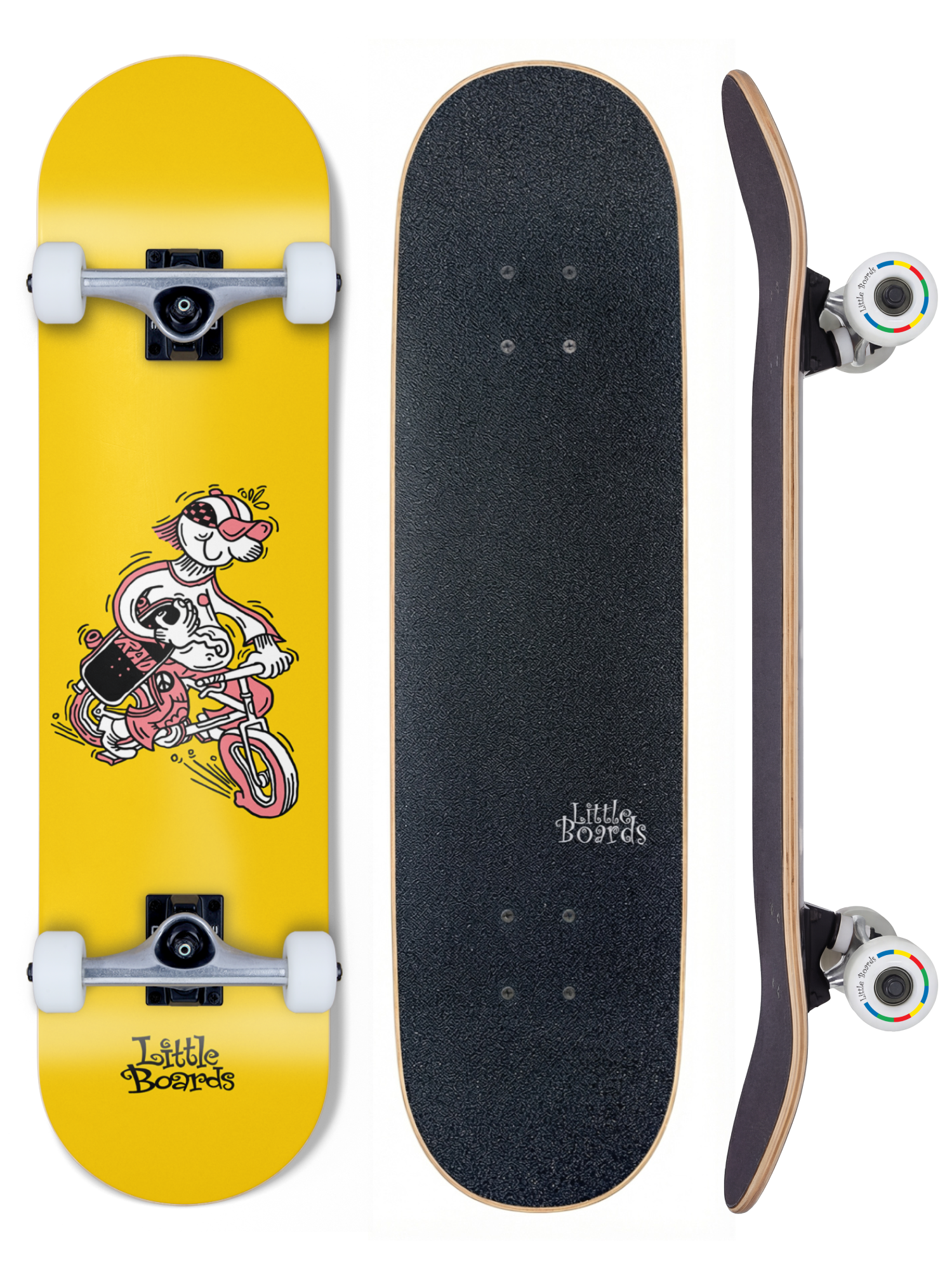
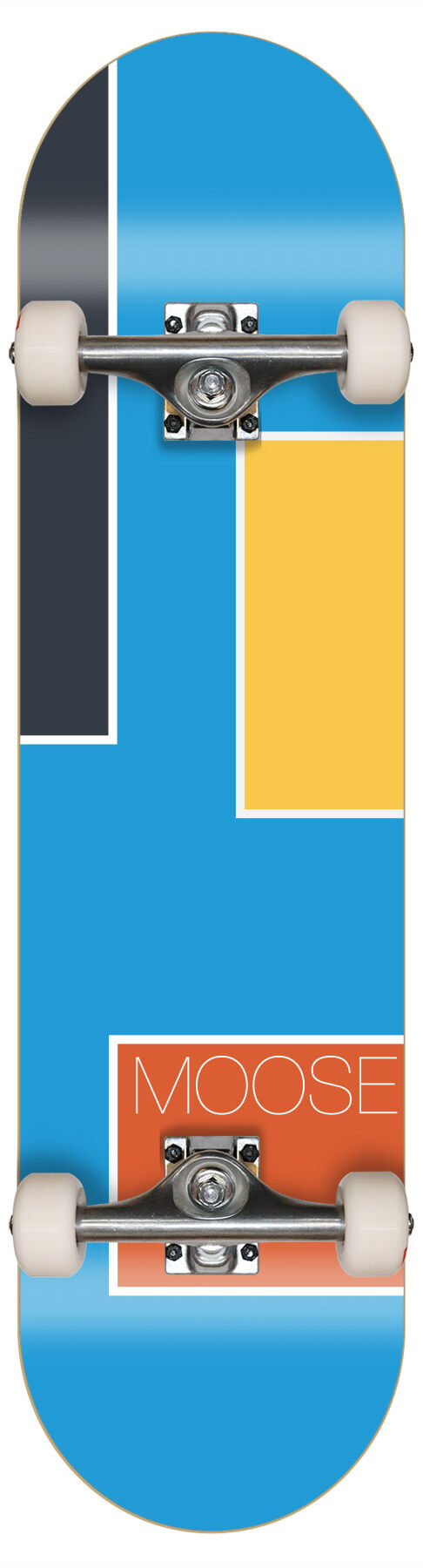
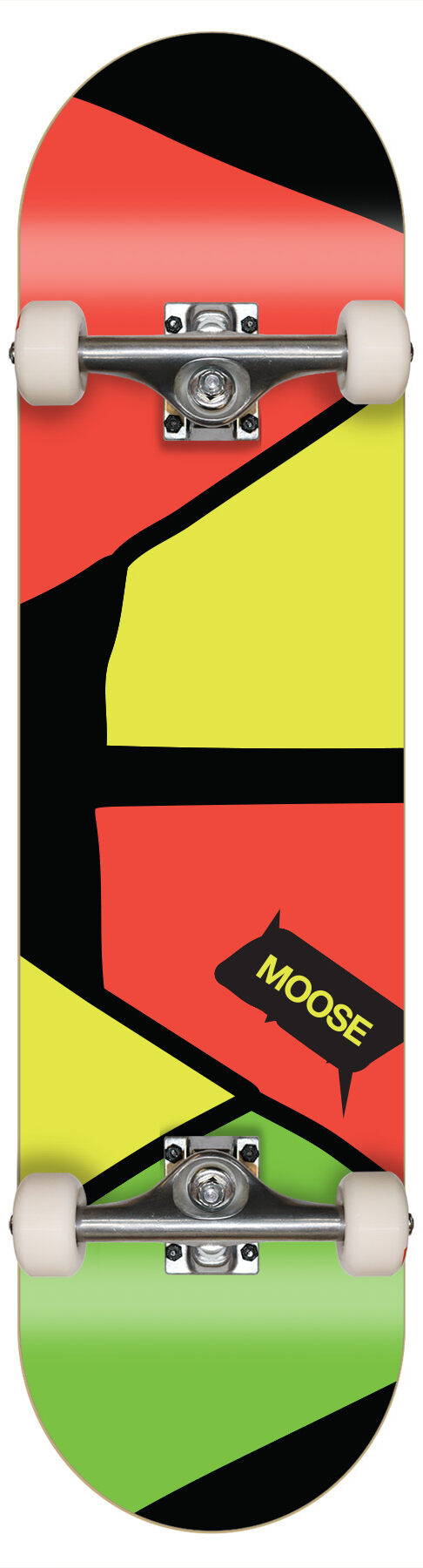

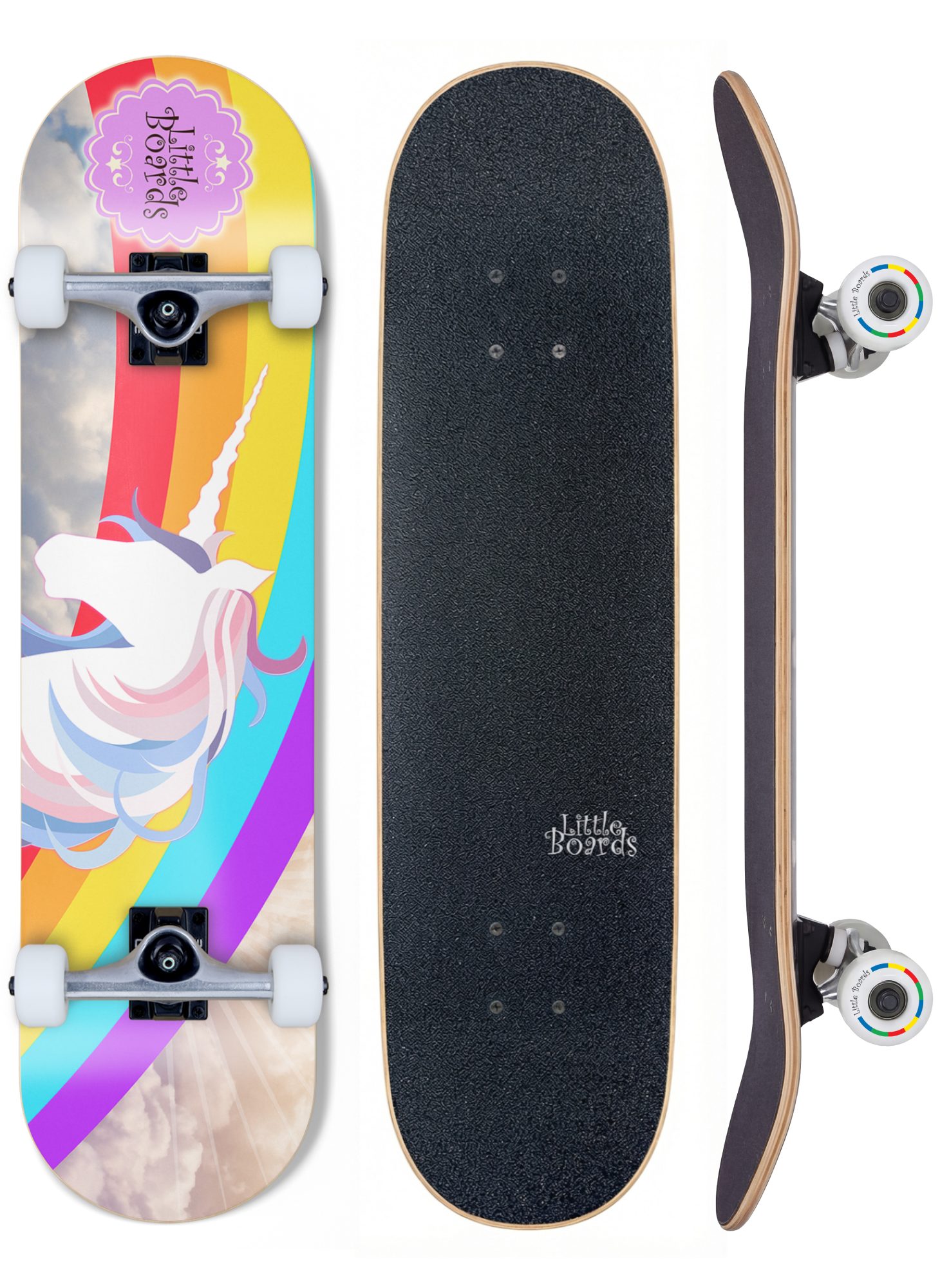
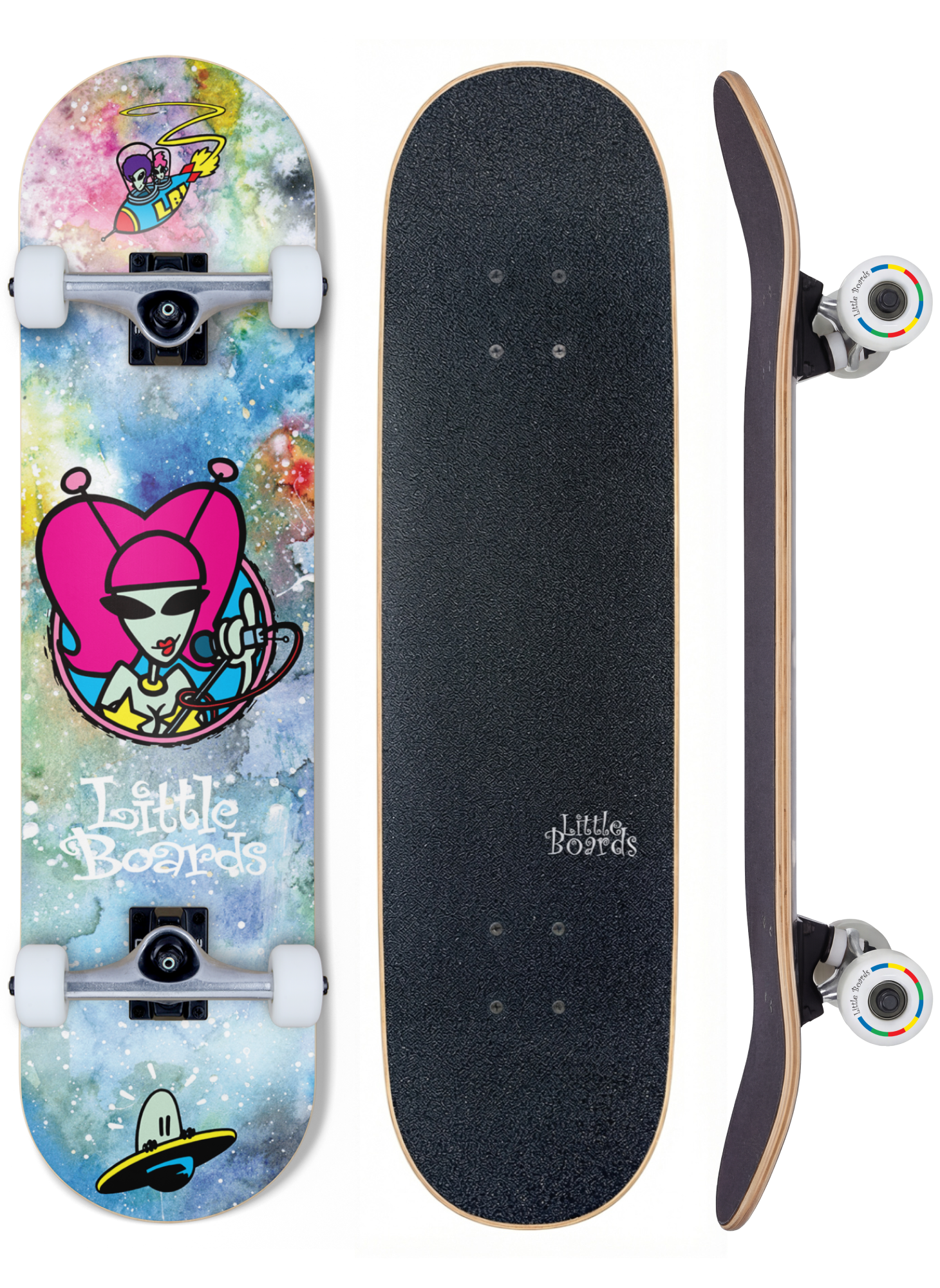

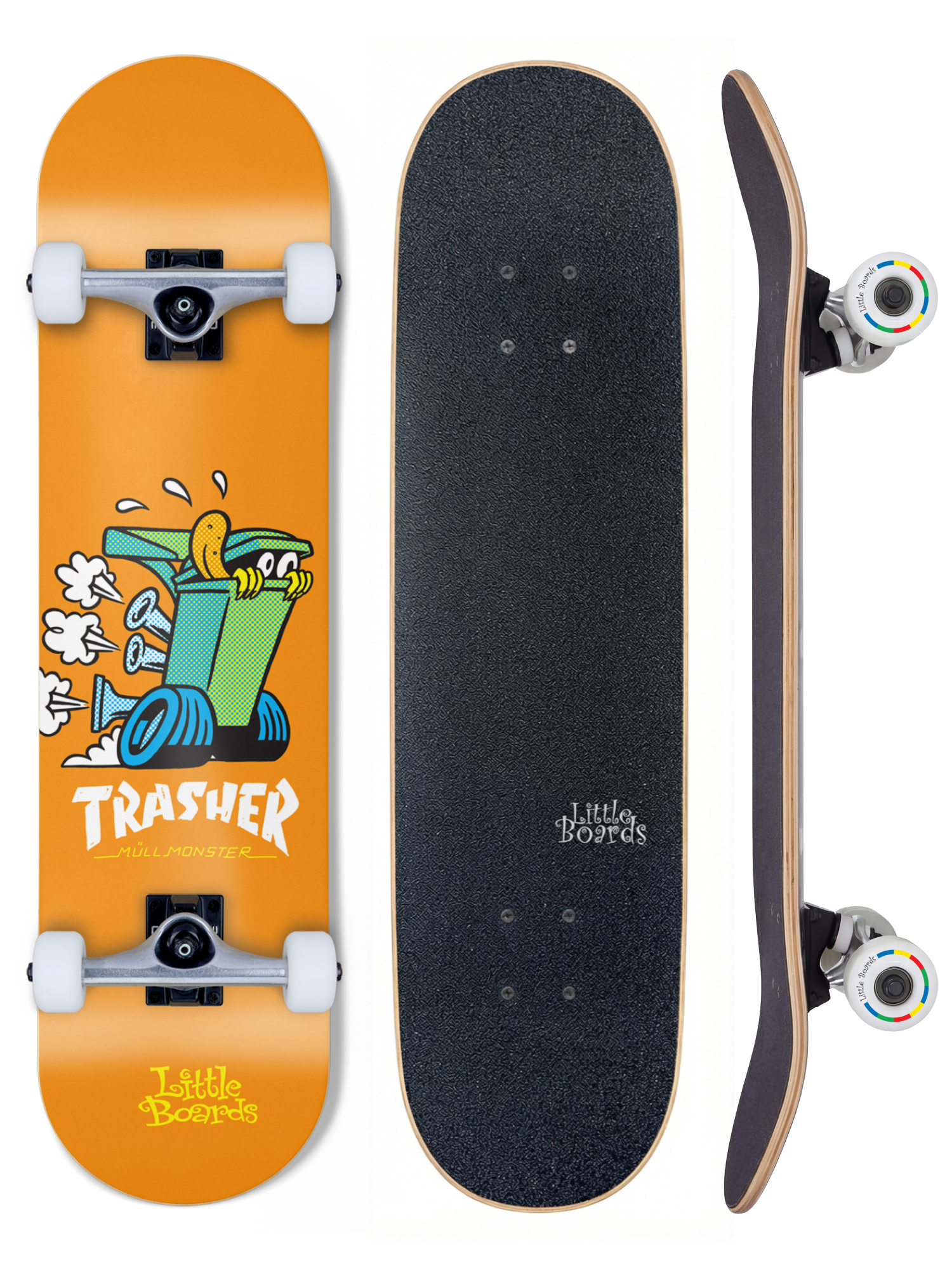
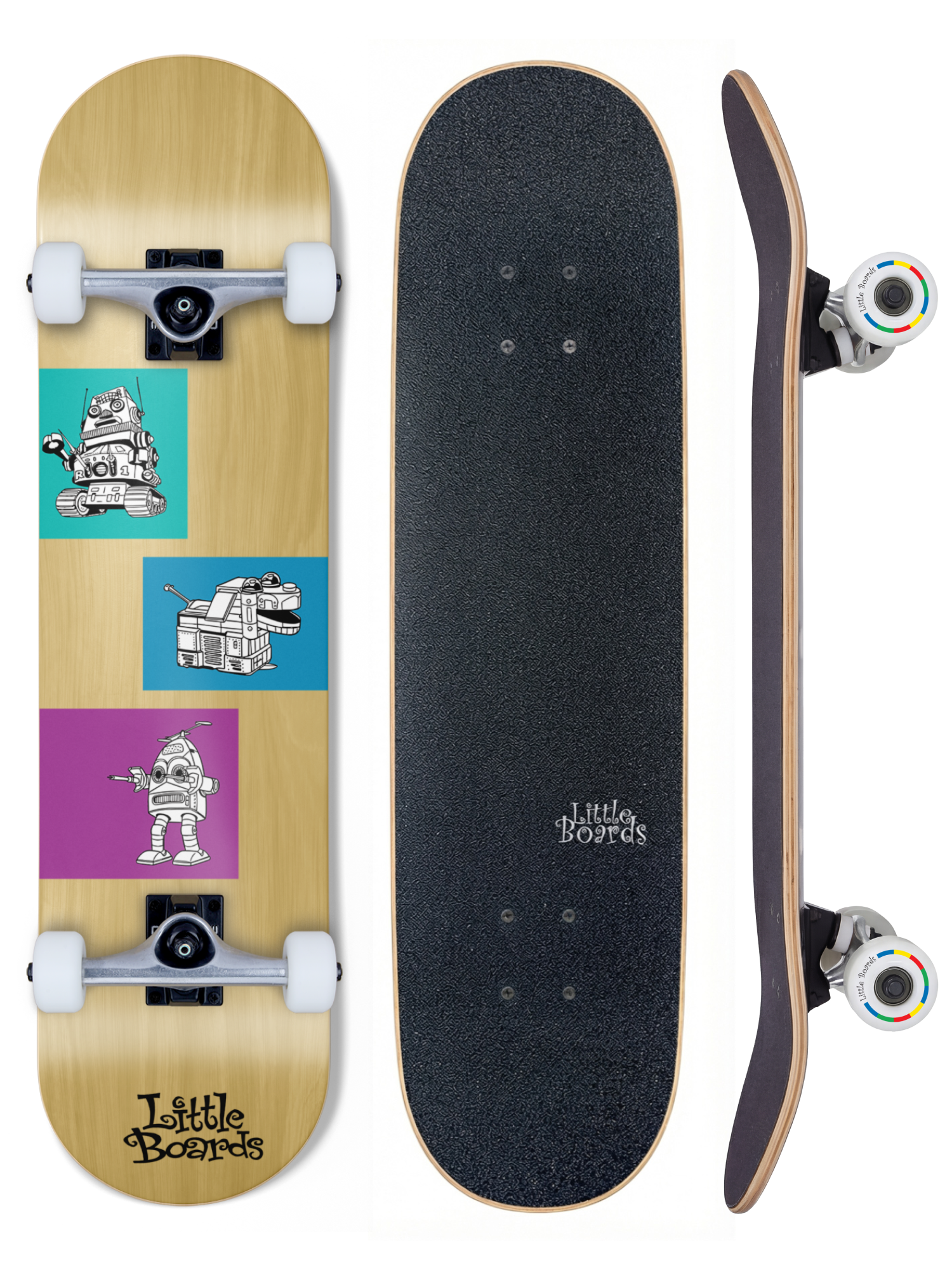
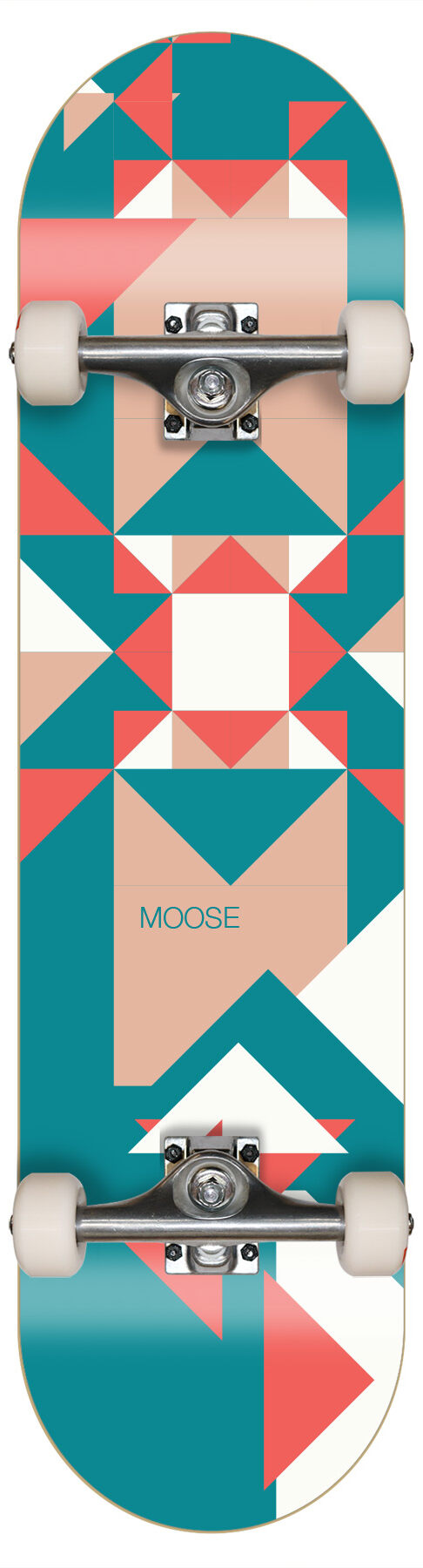
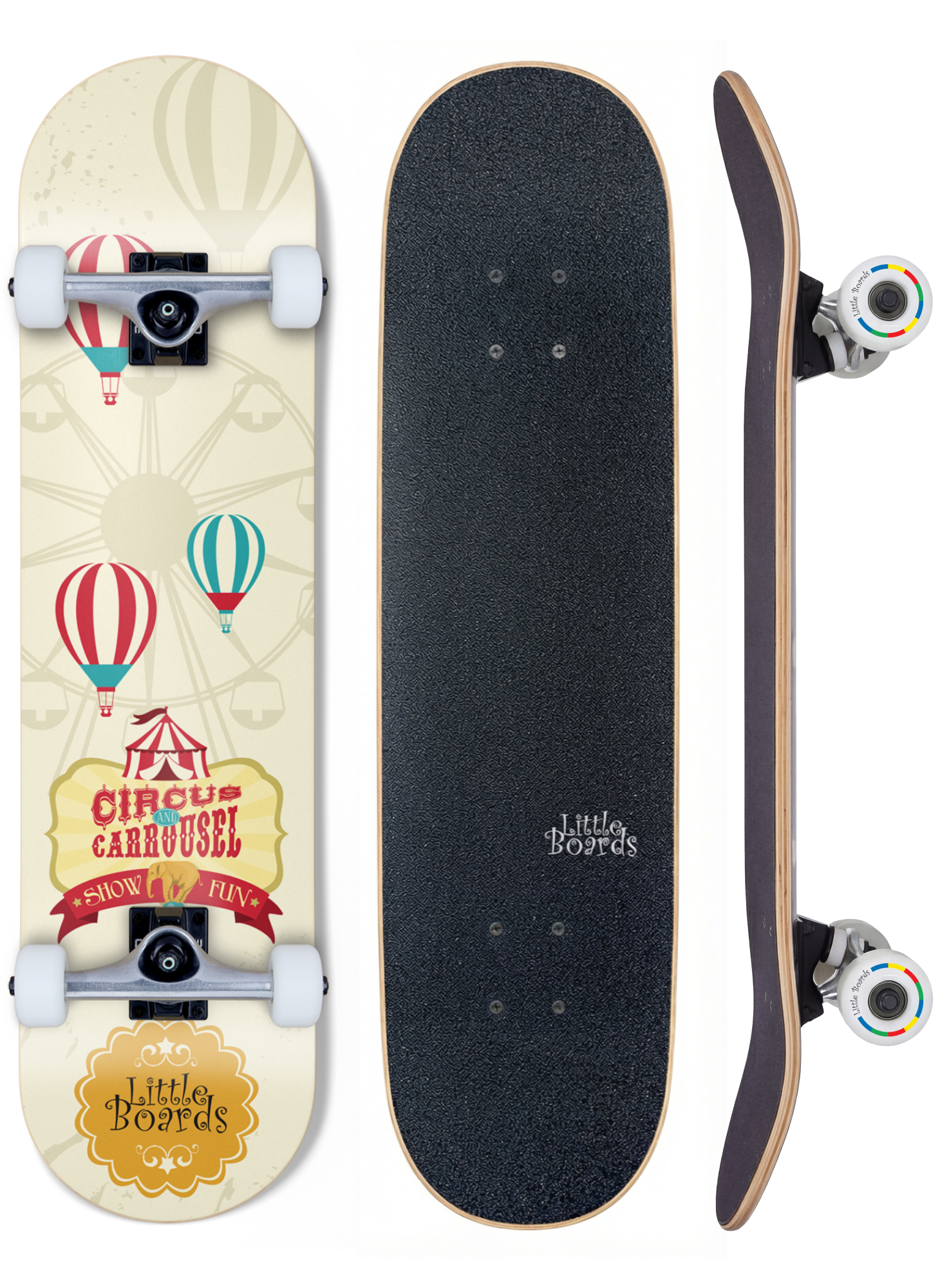

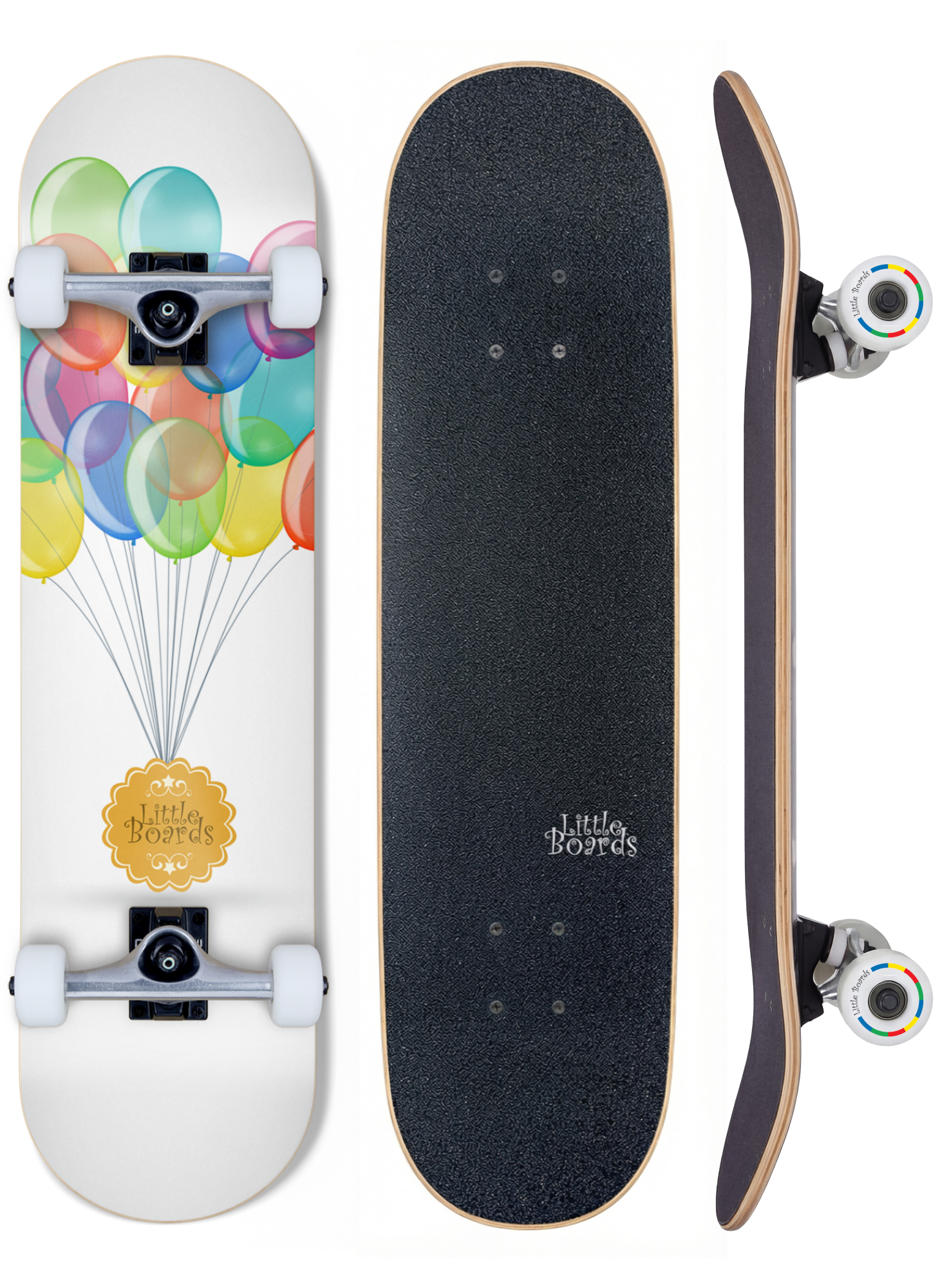
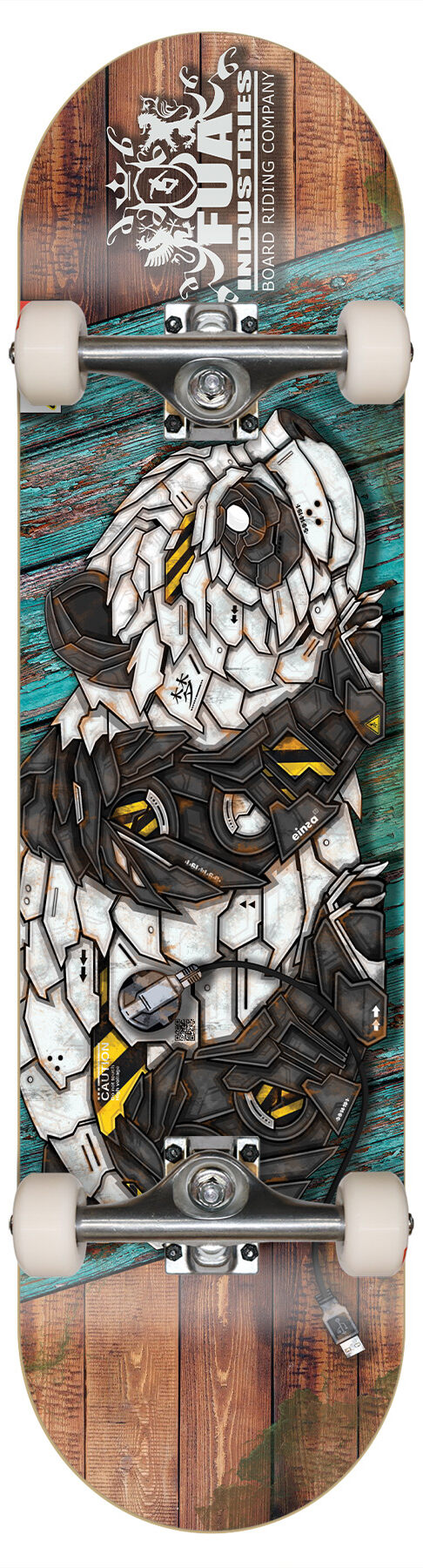
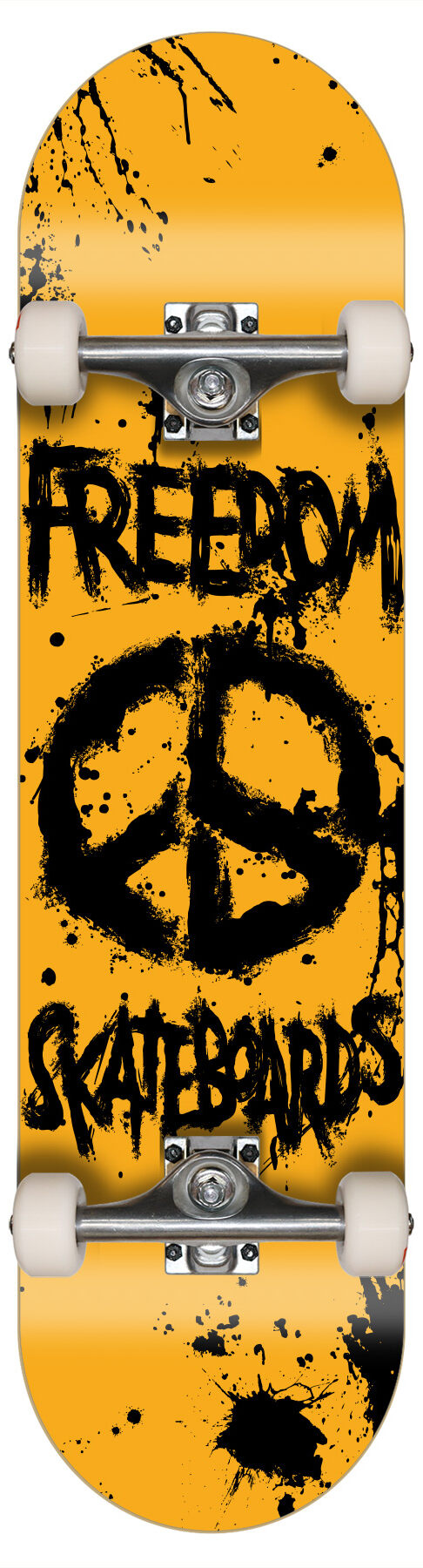


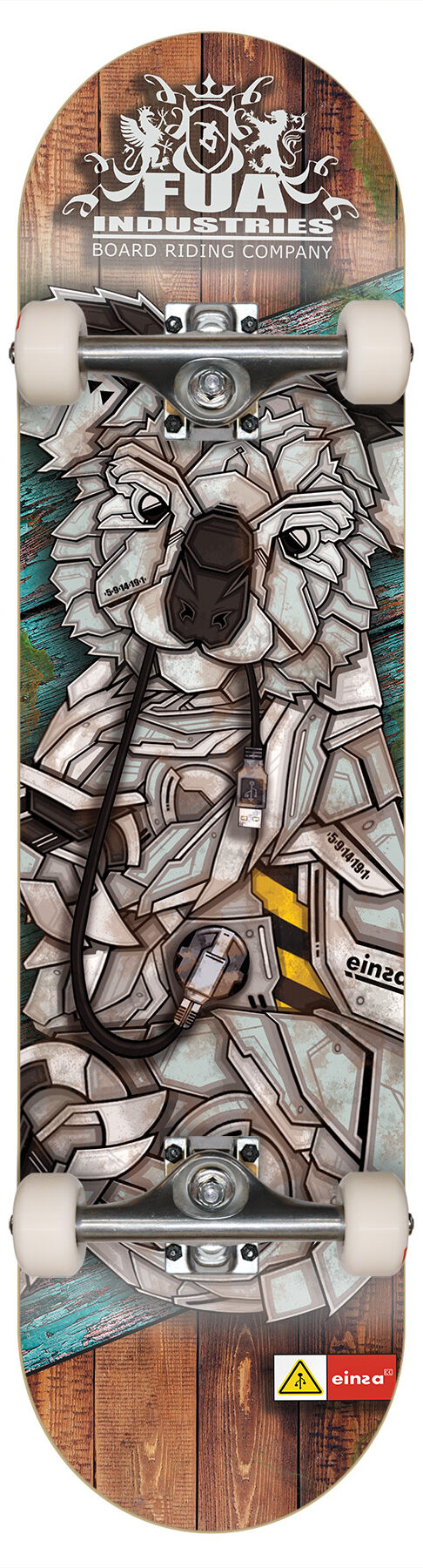
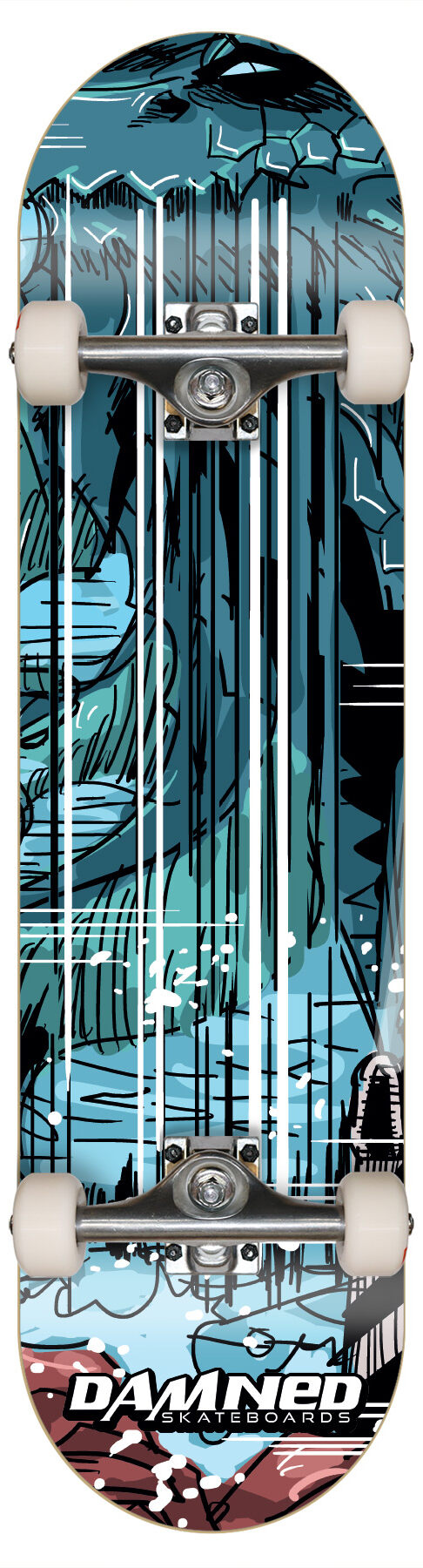

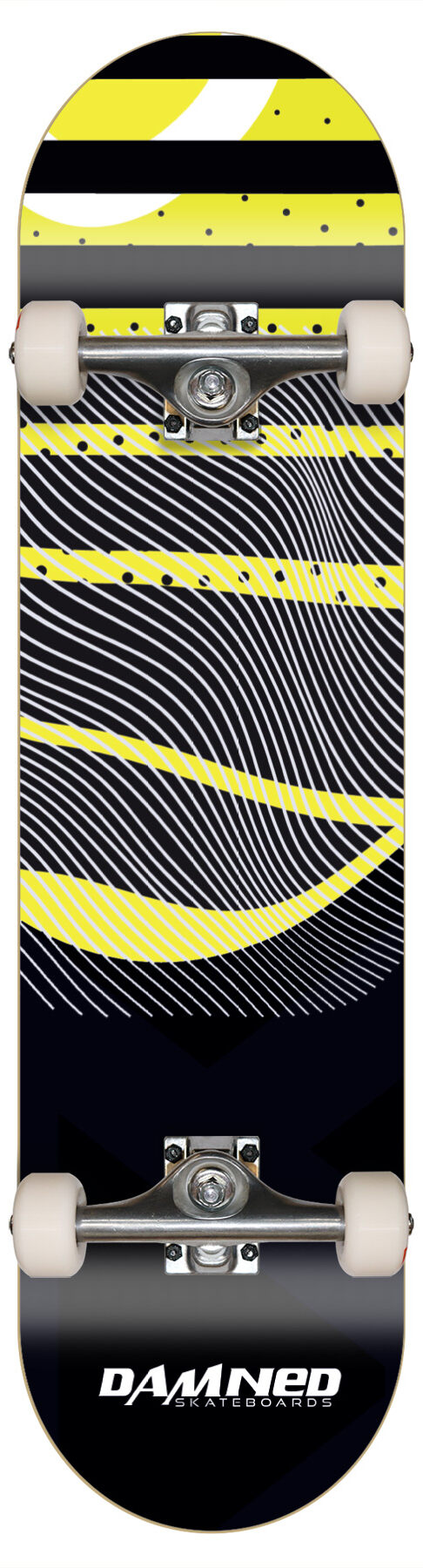

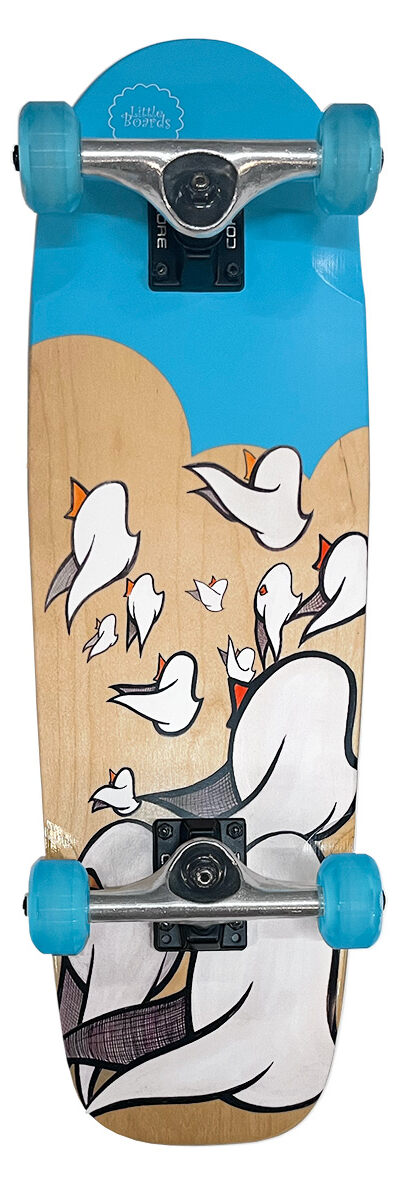

Real Boards, Not Toys
The first skateboard determines whether a child falls in love with skating or gives up in frustration. Cheap boards from supermarkets – plastic wheels, nine layers of Chinese birch, trucks that barely turn – make kids fall, park the board in the corner, and never touch it again. That's not the child's fault. It's the material.
At Skateshop24 we carry real skateboards in kids' sizes: 7-ply Canadian maple, matched trucks, soft urethane wheels – the same quality as adult boards, just smaller.
Which Size for Which Age?
Deck width is the most important measurement – not the length, not the graphic. The better the width matches your child's shoe size, the more stable they'll stand and the faster they'll learn.
| Age | Height | Shoe Size (EU) | Deck Width |
|---|---|---|---|
| 3–5 years | up to ~110 cm | up to 30 | 6.5″ – 6.75″ |
| 5–8 years | 110–130 cm | 31–36 | 7.0″ – 7.25″ |
| 8–11 years | 130–155 cm | 37–39 | 7.25″ – 7.5″ |
| 12+ years | 155 cm+ | 40+ | 7.75″ – 8.0″+ |
Important: Once a child is taller than about 130 cm, they no longer need a kids' skateboard – a regular complete in 7.5″ fits better. A board that's too small for a tall kid is just as much a problem as the other way around.
What Makes a Real Kids' Skateboard
- 7-ply Canadian maple deck – not 9-ply cheap birch. Maple has flex, feel, and proper concave. Birch snaps faster and rides flat.
- Soft urethane wheels (85A–95A) – not plastic. Urethane rolls over cracks and pebbles, absorbs vibration, runs quiet. Plastic transfers every bump straight into ankles and knees.
- Trucks proportioned to the deck width – trucks that are too wide or too narrow make turning unnecessarily hard. Our kids' setups come matched.
- Real concave – the subtle curve of the deck gives feet grip when turning and is the foundation for first tricks. Budget boards skip it entirely.
What Age Can a Child Start Skateboarding?
There's no fixed age – balance is what matters. Most kids are physically ready from age 3–4 to stand on a small board and push around. Active tricks (ollies, kickflips) typically develop from age 6–8, when coordination and body awareness are more mature.
Starting early has real advantages: balance, body awareness, and the ability to fall safely all develop faster through skateboarding than most other sports – because the board gives constant feedback.
Complete Board or Build Your Own?
For kids up to around age 10: always a complete board. The components are matched to each other, no risk of accidentally combining wrong parts. From around age 10–12, once your child skates regularly and starts developing preferences, individual parts can be swapped – harder wheels for the skatepark, different trucks for better turning.
Protective Gear: What You Actually Need
Falls are part of learning. With the right gear, almost nothing happens.
- Helmet: Non-negotiable. No skateboard without one.
- Knee pads: Highly recommended up to around age 8 – knees hit the ground first.
- Wrist guards: Kids instinctively put their hands out when falling – wrist fractures are the most common skating injury. Wrist guards prevent this almost entirely.
- Elbow pads: Optional, but worth it for the skatepark.
Frequently Asked Questions about Kids' Skateboards
What's the difference between a kids' skateboard and a regular skateboard?
Kids' skateboards are narrower (6.5″–7.25″ vs. 7.75″–8.5″) and shorter, so smaller feet can stand securely and control the board. The material quality – maple wood, urethane wheels, aluminium trucks – is identical to adult boards on good kids' setups. The difference is size, not quality.
How much should a good kids' skateboard cost?
A solid kids' complete board made from real maple with urethane wheels costs between €60 and €110. Anything below that – especially under €40 – is almost certainly cheap-grade with plastic wheels and poor wood. It saves money short-term but kills the enjoyment of skating.
Which wheels are best for kids?
Soft wheels with a durometer of 85A to 95A. They roll more easily over uneven surfaces, offer more control, and are less abrupt over small stones or cracks in the pavement – exactly what beginners need. Harder wheels (99A+) are for the skatepark and tricks, not for starting out.
Can my child take a kids' skateboard to the skatepark?
Yes – but with protective gear. Helmet, knee pads and wrist guards are mandatory for kids at most skateparks. It also makes sense to start at flat spots – curbs, gentle slopes – before moving on to ramps and halfpipes.
Which kids' skateboard do you recommend for beginners under 8?
For kids up to around age 8, Little Boards are our clear recommendation: 7-ply Canadian maple, matched trucks in kids' sizes (4.5″–4.75″), soft urethane wheels. Ready to ride straight out of the box – real quality, not a toy.
Do I need to buy grip tape separately?
No. At Skateshop24, every deck – including kids' completes – comes with grip tape included for free. On complete boards it's already applied; on individual decks it comes loose so you can apply it yourself.
Order before 3 pm and your board ships the same day. Free shipping from €50, 100-day returns – in case the size doesn't fit. Questions about sizing? Just get in touch: we're skaters, not a call centre.